
From Luxury to Lifestyle: The Rise of the Global Perfume Industry and India's Fragrance Revolution

Perfume dates back over 4,000 to 5,000 years, and for centuries, perfume was regarded as a symbol of prestige, reserved for royalty, aristocrats and the wealthy. Ancient civilisations such as Egypt, Mesopotamia, India and Rome used fragrances not only for personal adornment but also in religious ceremonies, medicine and cultural rituals. Over time, perfumery evolved into an art form, with France emerging as the global centre of fine fragrance. Today, however, perfume has undergone a remarkable transformation. No longer confined to luxury boutiques, it has become an everyday essential and one of the fastest-growing segments of the global beauty industry.
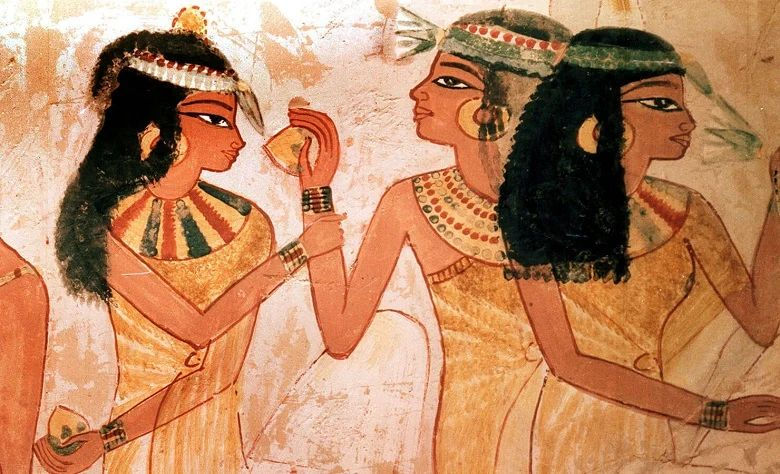
A detail of a painting from the tomb of Nakht depicting three ladies at a feast. They wear perfumed cones in their hair and elaborate necklaces. Werner Forman/Universal Images Group Editorial/UIG via Getty Images.
The global fragrance market, now valued at over US$60 billion, reflects a fundamental shift in consumer behaviour. Perfume is no longer purchased simply to smell pleasant; it has become a form of self-expression. Much like fashion, consumers choose fragrances that reflect their personality, mood or occasion. Many people now own multiple perfumes instead of relying on a single signature scent, creating what the industry refers to as a "fragrance wardrobe". This cultural shift has significantly expanded demand across both premium and affordable segments.

Medinet Habu temple relief of Ramesses III | Marion Golsteijn - Own work | Medinet Habu, Luxor, Egypt
Several factors have accelerated the industry's growth. Rising disposable incomes, improved manufacturing technologies, and the rapid expansion of e-commerce have made quality fragrances accessible to millions of consumers worldwide. Social media has further transformed the market by turning perfume into a subject of conversation rather than a hidden luxury. Influencers, fragrance reviewers and online communities regularly educate consumers about scent families, perfume notes and niche brands, encouraging experimentation and informed purchasing decisions. As a result, fragrances have become an important part of modern lifestyle and personal identity.
India is now emerging as one of the most promising markets in this global fragrance revolution. The country's relationship with perfume dates back thousands of years through traditional attars produced in Kannauj, often referred to as India's perfume capital. While this heritage remains an important part of Indian perfumery, the modern market is being driven by a young, aspirational population with increasing purchasing power. Consumers are gradually moving beyond deodorants and embracing perfumes as part of their daily grooming routine, creating opportunities for both established companies and emerging domestic brands.
The rise of Indian fragrance brands reflects this changing landscape. Companies are offering high-quality perfumes inspired by international trends while incorporating Indian ingredients and craftsmanship. Affordable pricing, strong digital marketing, and direct-to-consumer business models have enabled these brands to reach audiences across metropolitan cities as well as Tier-2 and Tier-3 markets. Combined with India's strength in producing natural essential oils such as jasmine, rose, vetiver, and sandalwood, the country possesses a strong foundation for becoming a global fragrance hub. Brands such as Zion Fragrance exemplify this transformation by blending traditional Indian perfumery with contemporary fragrance design. By sourcing premium raw materials from renowned fragrance regions such as Kannauj and combining them with globally inspired scent profiles, Zion Fragrance creates handcrafted perfumes that deliver luxury at an accessible price point. Through a digital-first approach, ethical manufacturing practices, cruelty-free formulations, and nationwide direct-to-consumer distribution, the brand has successfully reached thousands of customers across India. Furthermore, Zion Fragrance's emphasis on storytelling, with collections inspired by mythology and culture, demonstrates how Indian fragrance houses are moving beyond product manufacturing to create distinctive brand identities capable of competing in both domestic and international markets.

As consumer preferences continue to evolve, perfume is increasingly viewed as more than a luxury product; it has become an extension of identity, confidence and lifestyle. India's blend of rich perfumery heritage, expanding consumer base and entrepreneurial innovation places it in a unique position to shape the future of the global fragrance industry. The journey from ancient attars to contemporary perfume brands demonstrates that India is no longer merely preserving its fragrant legacy; it is actively creating the next chapter in the world of perfumery.


Very insightful